Protecting our Planet – 1 year on
Learn more about how we’re helping protect the Earth and space from contamination.
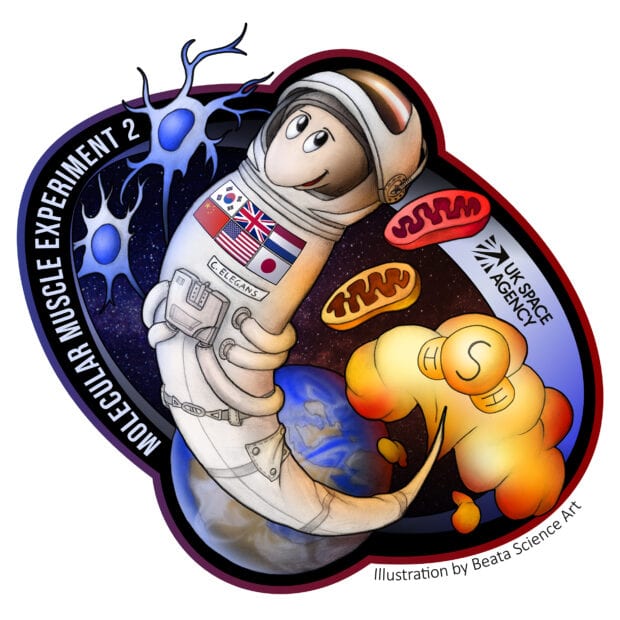
On the 3 June 2021 the second Molecular Muscle Experiment, MME2, launched to space from Cape Canaveral (Florida, USA), sending thousands of tiny C. elegans worms to live on board the International Space Station for several days. Their mission: to help mankind understand spaceflight-induced muscle decline. Following on from the first MME, MME2 continues with similar aims: 1) …
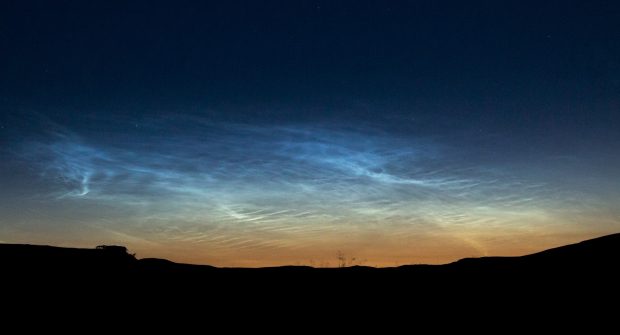
The shortest night of the year falls on 21 June, with the sun being below the horizon for less than eight hours. And as well as many fascinating night sky sights to see, this month also hosts an exciting day-time …
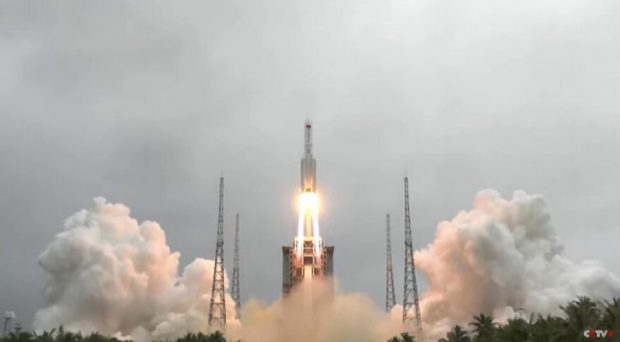
On Tuesday 4 May, the UK's Space Operations Centre (UKSpOC) based at High Wycombe started monitoring the re-entry of an object into the Earth's atmosphere.
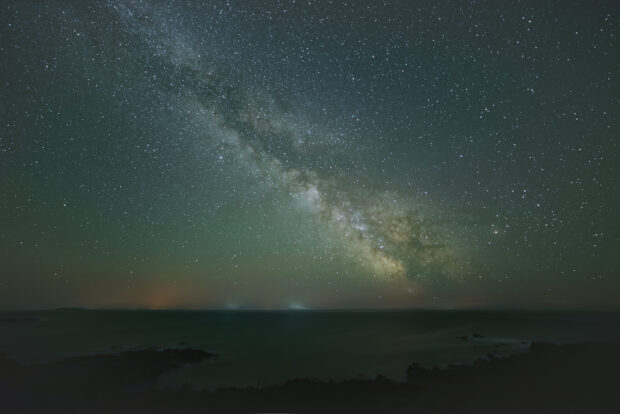
Find out what you can see in the UK night sky this month!
Following last month’s equinox, the nights are now shorter than the days, but there’s still plenty of time for spotting spectacular celestial sights this month.
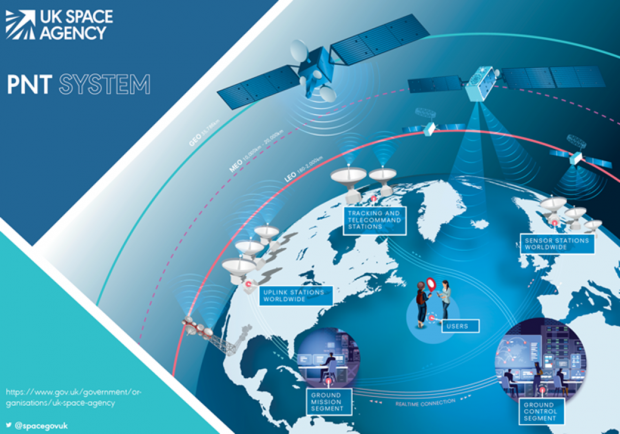
The peoples of the British Isles have always been great pioneers and innovators of positioning, navigation and timing (PNT) technologies – particularly through using space and the stars. These innovations in PNT have led to some of our country’s most important historical …
The UK has been a pioneer in space technology for over 50 years.
The Spring or ‘Vernal’ Equinox Having heralded the approach of spring in last month’s blog (which was promptly followed by snowfall across much of the country!), March sees celestial proof that the seasons are changing, with the spring equinox taking …
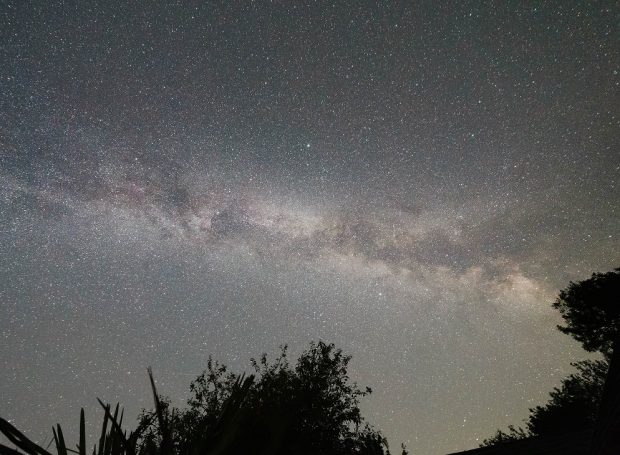
As the Earth travels around the Sun, the stars and constellations that are visible to us on the night side of our planet gradually change, and those changes are a fascinating way to track the passing and arrival of the …
Space, and the objects (or lack of) found within it is something that seems to fascinate us as a species. Now, the reason I believe this may be is because I am a scientist, and therefore tend to hang out …