
The UK Space Agency has concluded its year as chair of the Inter-Agency Space Debris Coordination Committee (IADC), marking the end of a term that saw the UK strengthen international cooperation on space safety and sustainability.
The IADC brings together 13 national space agencies and three associate members to coordinate technical research on space debris — the defunct satellites, rocket stages and fragments that orbit Earth and pose a growing risk to active missions.
The committee's work shapes how spacecraft are designed, how they operate in orbit and how space is regulated around the world.
The UK last chaired the IADC in 2015 to 2016. Taking on the role again gave the UK a significant opportunity to demonstrate leadership on the international stage at a time when space safety has never been more important.
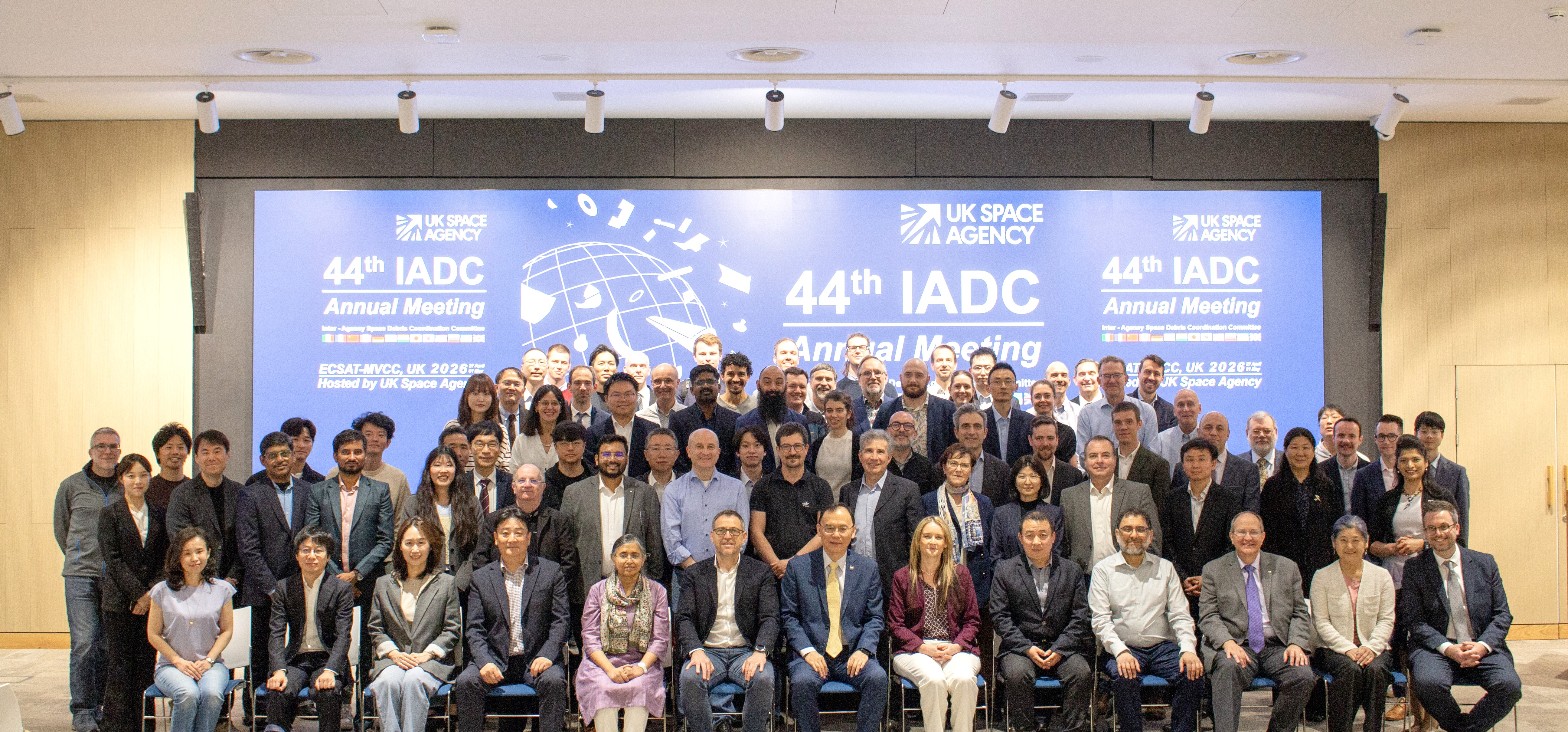
Andrew Ratcliffe, Chief Engineer at the UK Space Agency, led the UK's chairship from 2025 to 2026. As well as coordinating the committee's research programme, Andrew worked to broaden engagement with the wider space community and improve how the committee works together.
A highlight of the term was the IADC Plenary Day, which opened the Annual Meeting at Harwell Campus in late April and attracted around 185 participants from government, industry, operators and academia.
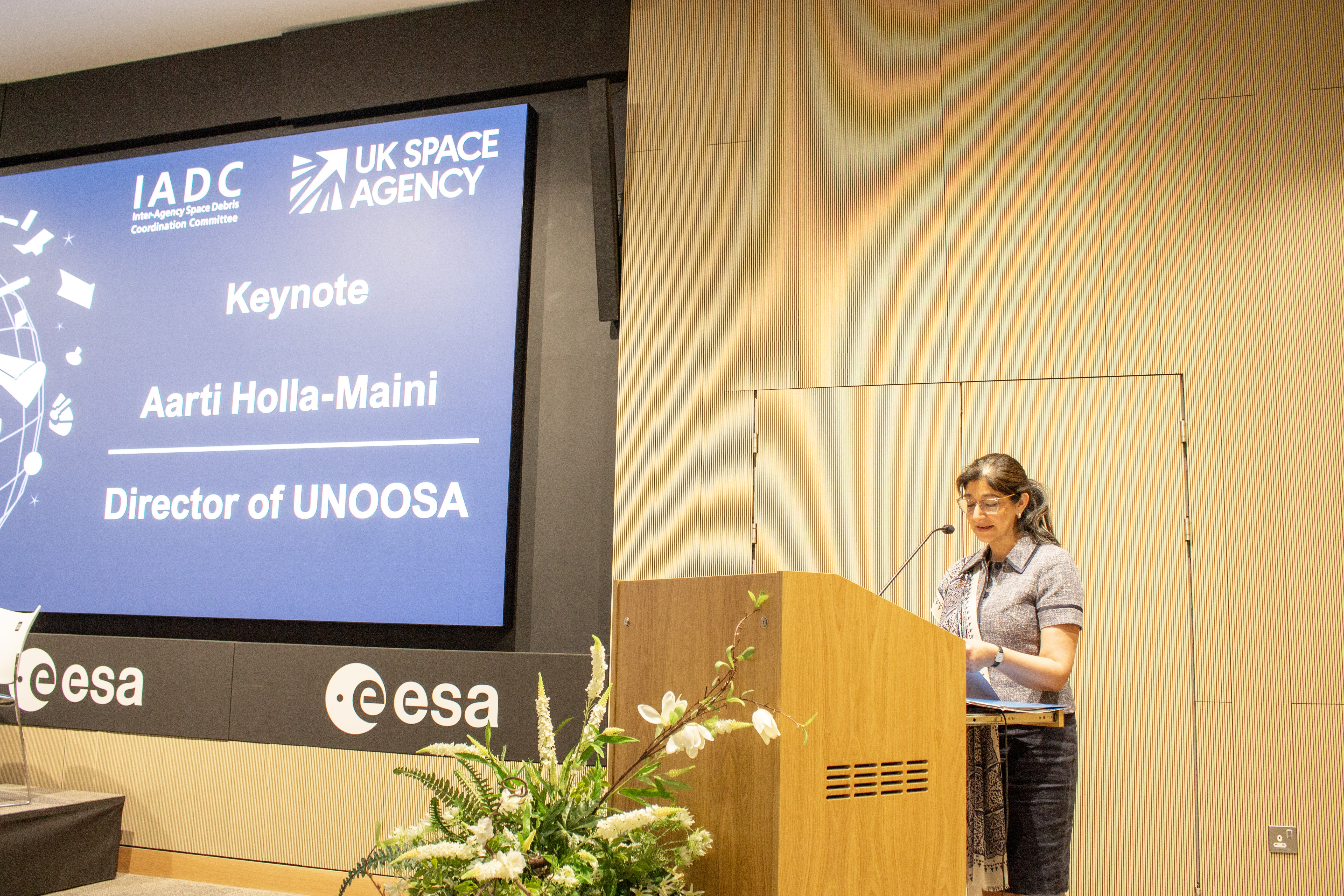
Rebecca Evernden, Director at the UK Space Agency, opened the event by setting out why space safety and sustainability are central to UK government priorities. She was followed by a keynote from Aarti Holla-Maini, Director of the United Nations Office for Outer Space Affairs, who underlined how strong technical evidence underpins effective and inclusive international space governance.
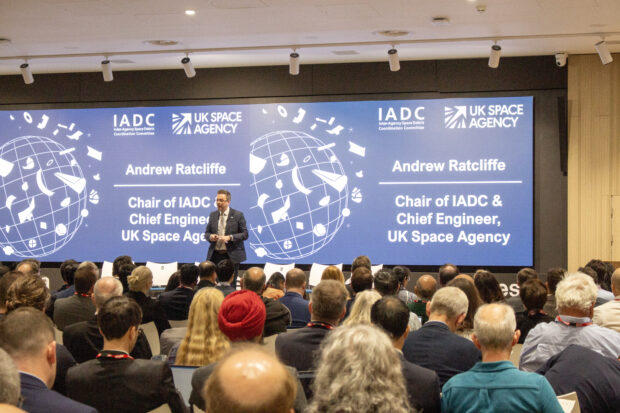
The Plenary Day provided an opportunity for the IADC to showcase its current research portfolio, ranging from studies on spacecraft vulnerability to measuring the amount of debris at different orbital altitudes.
Bringing together IADC experts and those from the wider community, two panel sessions explored managing risk from complementary perspectives.
The first examined how spacecraft can be designed, operated, and licensed to actively reduce debris generation, while the second focused on potential ‘game-changers’ - missions, capabilities and trends that could influence how we consider space safety and sustainability over the coming decade.
Bringing together experts from national space agencies, industry, satellite operators, and policy institutes, the panels offered a mix of technical, operational, and regulatory insights.
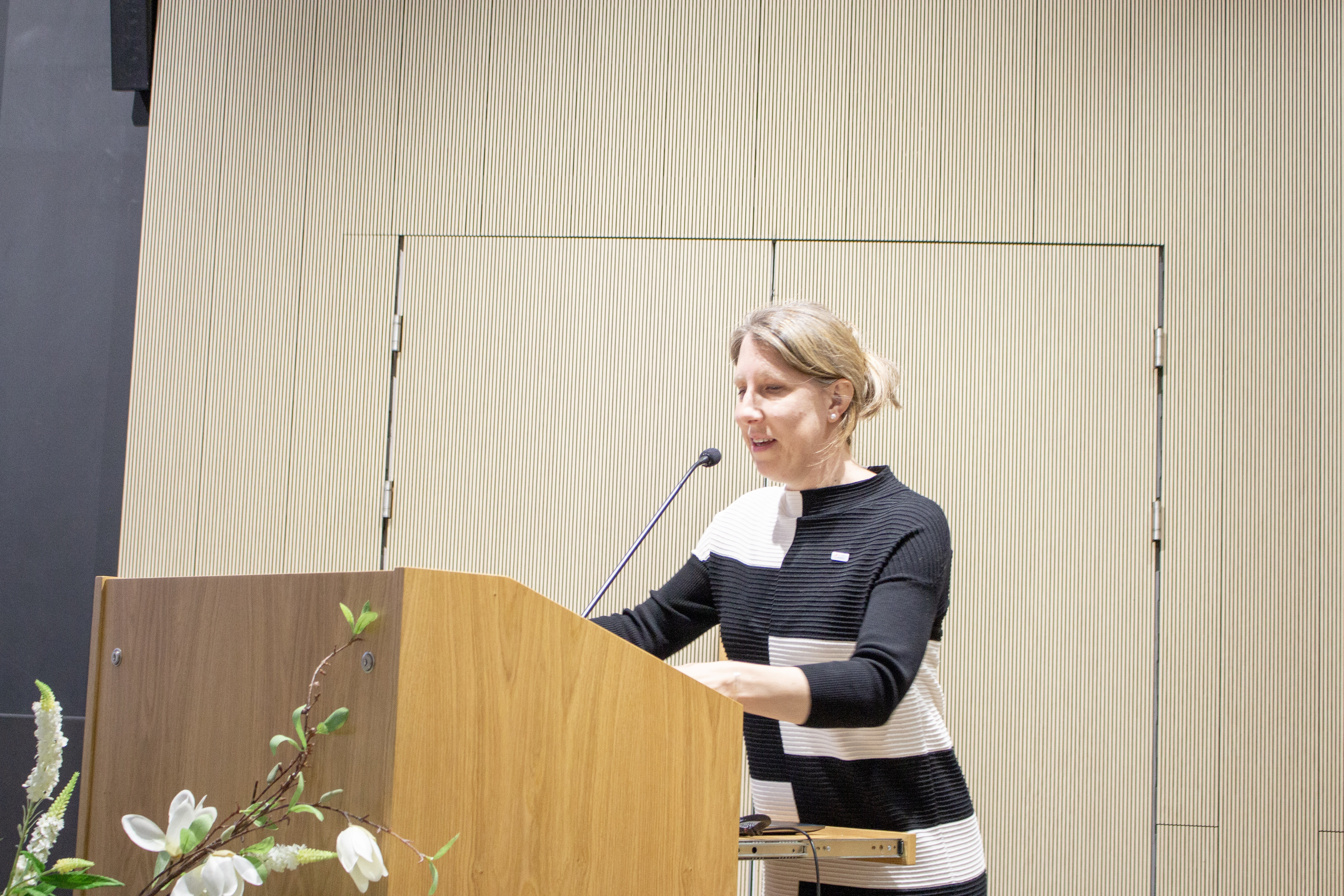
In addition, the day also saw a series of highlight presentations covered topics such as constellation operations, advances in space situational awareness, atmospheric ablation modelling, and rendezvous and proximity operations.
The remainder of the week brought together over 100 delegates for closed Steering Group and Working Group meetings, where detailed technical discussions were held on a range of topics, from approaches to measuring and modelling the space environment, to new techniques to protect spacecraft from debris and guidelines to help spacecraft designs and operators mitigate the release of space debris from their missions.
Two areas which saw particularly in-depth discussion was the sustainability of the space environment and approaches to debris mitigation around the Moon. To help inform policy makers and operators on the status of the space debris environment, the IADC releases an Annual Report which can be found here.
This report provides key insights into the compliance with the space debris mitigation and insights into how the number of objects on orbit are forecast to grow. The Committee is in the process of developing key indicators and metrics to help define the sustainability of the space environment.
In recognition of the growth in the number of missions from Space Agencies and Commercial companies in sending missions to the Moon, the IADC is also in the process of developing guidelines for Lunar Debris Mitigation and the meeting provided an opportunity to share key results from this work.
The meeting concluded with the formal handover of the IADC Chair to the China National Space Administration (CNSA). The UK Space Agency looks forward to continuing close collaboration with international partners and building on the strong momentum generated during IADC 44.
Leave a comment