Learn more about how we’re helping protect the Earth and space from contamination
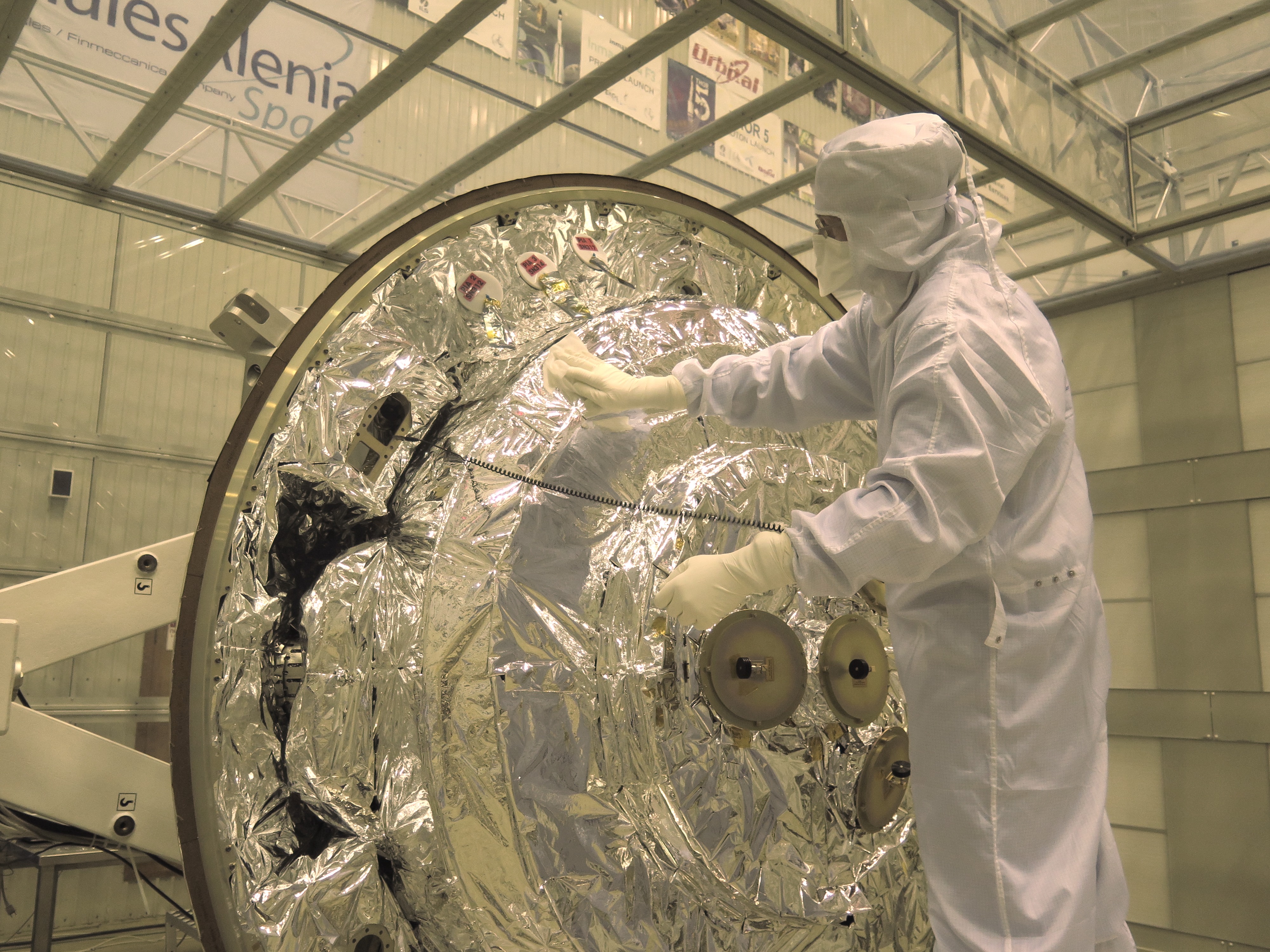
In May 2025, the UK Space Agency published the UK Planetary Protection Technical Framework, providing clear guidance to ensure UK space activities safeguard the environment on Earth and in space from potential harmful contamination.
Now, nearly a year on, let’s explore what we’ve achieved so far.
What is planetary protection?
Planetary protection is the practice of protecting Solar System bodies from contamination by Earth life, as well as protecting Earth from possible contaminants that may be returned from other Solar System bodies.
There are two kinds of contamination: forward and backward. Forward contamination involves the transfer of organisms from Earth to another celestial body, while backward contamination involves identifying and reducing the risk of bringing potential extraterrestrial organisms back to Earth e.g. from a sample-return mission.
What is the Technical Framework?
The Technical Framework provides clarity to operators and regulators on how to meet our planetary protection obligations and should be used in conjunction with existing legislation by any entity seeking an operator licence for space activities for all missions that involve interactions with celestial bodies in our Solar System.
By issuing this guidance the UK Space Agency supported its aim to boost UK prosperity, understand the Universe, and protect our planet and outer space, ensuring space exploration activities avoid harming potential extraterrestrial ecosystems and safeguarding Earth's biosphere.
What is the UK Planetary Protection Advisory Panel?
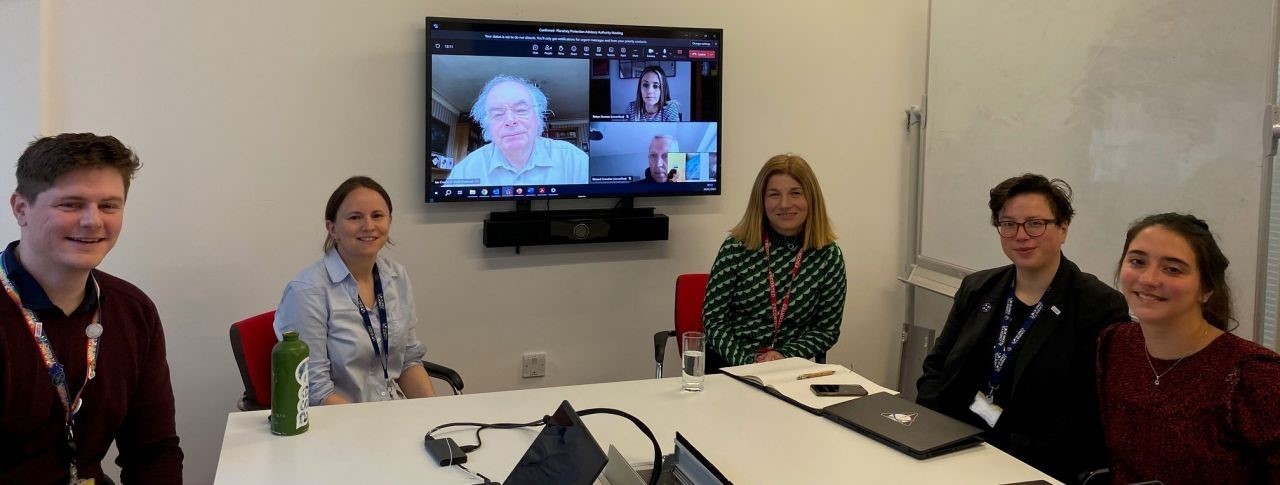
The UK Planetary Protection Advisory Panel consists of representatives from the UK Space Agency, the Civil Aviation Authority and experts from academia and industry.
What started as a few individuals has now grown to a group of 15 members including industry representatives to provide key operator insight.
The group looks at several aspects of planetary protection as access to space by the private sector increases, crewed missions to the Moon and Mars come closer and as the UK establishes itself as a key partner in international space endeavours.
The UK Planetary Protection Advisory Panel also provides advice to the Civil Aviation Authority as appropriate, including planetary protection categorisation and requirements for missions based on applicants’ self-assessment.
Funded by the UK Space Agency, the panel is chaired by Dr Karen Olsson‑Francis, Director of Astrobiology at the Open University and a leading UK astrobiologist specialising in planetary protection.
She is the UK Space Agency’s Planetary Protection Officer, and plays an active role in international planetary protection policy, including being the UK national representative on the Committee on Space Research (COSPAR) International planetary protection panel.
Progress so far
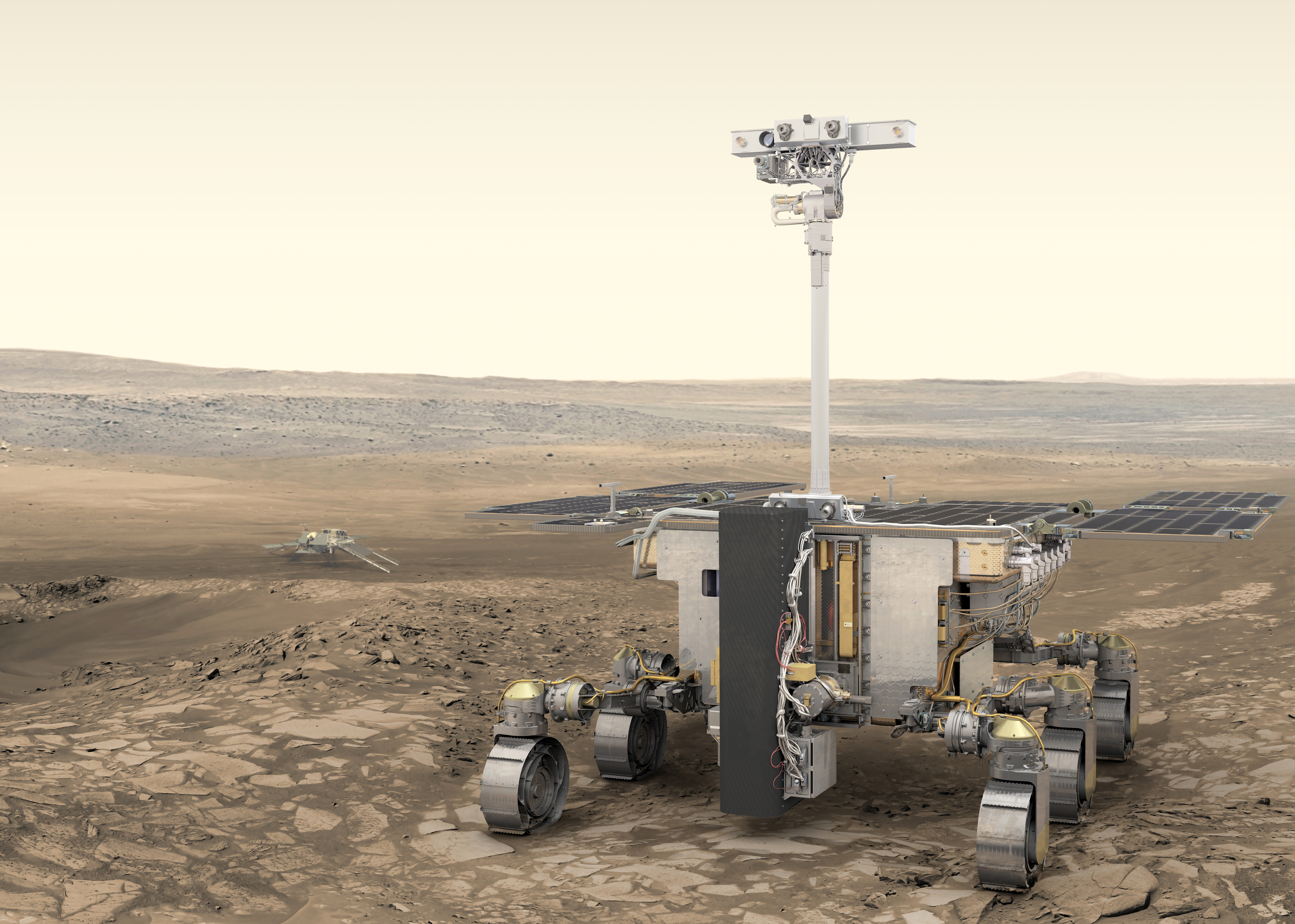
Since publication, the Planetary Protection Advisory Panel has continued to have a positive impact on domestic and international policy.
The panel has engaged industry and academic experts to raise concerns on unclear wording within the COSPAR policy and successfully pushed for further clarity on ambiguous requirements for lunar missions, rectifying unclear wording – alongside pushing for more outcome focused COSPAR policy that better aligns with the UK regulatory approach.
This has resulted in substantive changes in the 2026 COSPAR Planetary Protection policy revision that were a direct result of UK regulatory diplomacy efforts.
Earlier this year, the panel received its first planetary protection plan from a UK operator and has been providing feedback and assistance to CAA to ensure that it meets UK obligations.
Having the first mission through the PPAP pipeline will allow the panel to evaluate how the implementation has gone and further refine the process. If successful, the mission will make the UK the third state, behind the US and Japan to have a lunar operator providing commercial service.
The panel’s work should be celebrated and is as an excellent example of government, academia and industry working together to influence global regulatory policy.
If you are planning a new lunar mission or have questions regarding the licensing process, please contact commercialspaceflight@caa.co.uk.
Comments or questions on the Planetary Protection Advisory Panel? Please contact SpaceflightRegulation@ukspaceagency.gov.uk
Leave a comment